Your guests may forget the color of the napkins, but they will probably remember whether they loved dinner.
Couples spend hours picking flowers and playlists. Then they panic about food a month before the wedding.
Sound familiar? You are not alone.
The perfect wedding menu is not about listing every dish you love. It is about the right mix of food, variety, and timing.
This guide walks you through how to choose a wedding menu, step by step, without the stress.
Start With Your Wedding Style and Reception Format
Your reception format should shape your menu before you pick a single dish.
A formal plated dinner needs different planning than a backyard barbecue.
Match the Food to the Wedding Atmosphere
Think about the mood you want first.
- Formal evening wedding: Elegant plated courses, refined presentation.
- Casual daytime celebration: Simple, hearty, easy to eat in the sun.
- Cocktail-style reception: Small bites, lots of variety, no sit-down meal.
- Outdoor wedding: Foods that hold up in heat, less delicate sauces.
- Large multicultural celebration: A mix of dishes that honor both families.
The food and the setting should feel like they belong together. A five-course tasting menu at a barn wedding just feels off.
Choose the Right Meal Service Style
This one decision changes almost everything else.
- Plated dinner – formal, controlled portions, needs more servers.
- Buffet – guests pick what they like, great for variety.
- Family-style dining – shared platters, warm and communal.
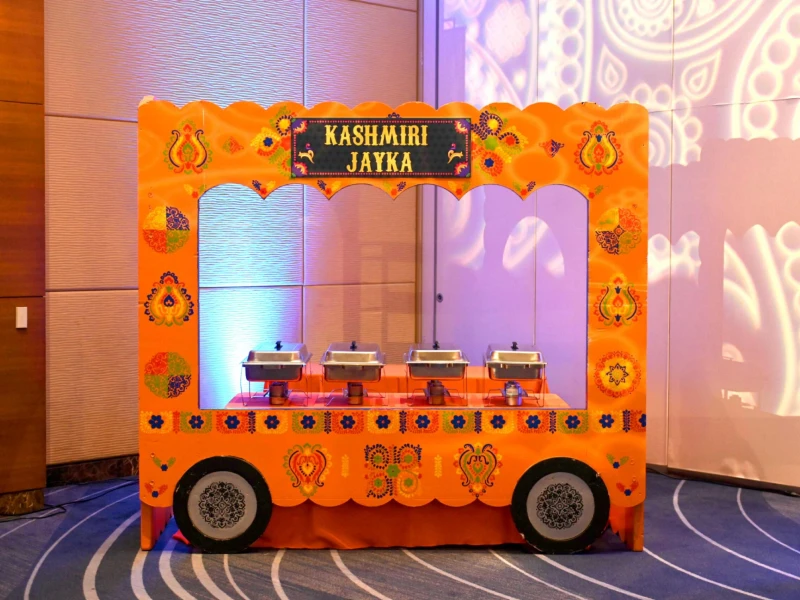
- Food stations – interactive, fun, works well for big crowds.
- Cocktail reception with heavy apps – no formal dinner at all.
Your service style affects how much variety you can offer and how quickly guests get fed. A buffet lets you offer more wedding food options without slowing things down too much.
Know Your Guests Before Choosing the Food
You do not need a separate meal for every guest. You just need enough variety.
Consider Dietary Preferences and Restrictions
Ask about these before you lock in anything:
- Vegetarian guests
- Vegan guests
- Gluten-free needs
- Allergies or ingredients to avoid
- Kids attending the reception
According to The Knot’s 2024 Real Weddings Study, catering remains one of the top three wedding expenses for U.S. couples, which is exactly why getting it right matters. Tell your caterer about dietary needs early, not the week before the wedding.
Think About Your Guest Demographics
A room full of grandparents and toddlers eats differently than a room full of your college friends.
Age, culture, and food familiarity all matter. If half your guest list is unfamiliar with a spicy regional dish, maybe serve it as one option, not the only one.
Build Your Wedding Menu Around Four Main Food Categories
This simple framework makes planning way easier than picking random dishes.
Start With Wedding Appetizers
Cocktail hour is where the fun starts. Give guests something to nibble while photos happen.
Popular wedding appetizers include:
- Mini sliders
- Stuffed mushrooms
- Spring rolls
- Bruschetta
- Samosas
- Skewers
- Cheese and fruit displays
Mix familiar picks with something a little different. Everyone loves a slider, but a tray of samosas gets people talking too.
Select the Main Course
You do not need five entrées. You need a few good ones.
Common wedding main course ideas include chicken, beef, fish, a strong vegetarian entrée, and maybe a cultural or regional specialty that means something to you.
Pick two or three, not eight. Fewer choices actually make the kitchen’s job easier and the food better.
Don’t Forget the Sides
Sides bring color and texture to the plate.
Think seasonal vegetables, rice dishes, roasted potatoes, pasta, salads, or grains. A plate of just meat looks sad and tastes worse.
Finish With Dessert
You get options here too. A traditional wedding cake works. So does a dessert station, or both together.
Popular picks include mini cheesecakes, cookies, brownies, macarons, gulab jamun, and donuts. A fruit display adds a lighter option for guests who skip sugar.
Balance Familiar Favorites With Something Special
Here is the trick nobody tells you. Familiar plus memorable beats fancy every time.
Add a Signature Dish or Family Favorite
Food can tell your story better than a speech ever will.
Try adding:
- A dish from your hometown
- A grandmother’s recipe
- Something inspired by your first date restaurant
- A cultural specialty
- A fun late-night snack that’s “so you”
Couples working with an Indian wedding catering team, for example, often blend a familiar chicken entrée with a beloved family curry recipe. That combination tends to stick in guests’ memories far more than anything expensive ever could.
Choose Seasonal Foods and Flavors
The season you marry in can quietly guide your menu.
Spring and Summer Wedding Menus
Go lighter. Fresh vegetables, crisp salads, seasonal fruit, and grilled dishes feel right at a warm weather wedding.
Fall and Winter Wedding Menus
Lean into comfort. Roasted vegetables, warm sides, and richer flavors suit a cozy winter celebration.
None of this is a strict rule though. If you love a summer dish in December, serve it anyway.
Plan the Menu Around Your Wedding Timeline
Here is a factor most couples forget completely: when will people actually eat?
Your food needs to fit around the ceremony, cocktail hour, speeches, dinner, dancing, and cake cutting.
Don’t Let Guests Wait Too Long for Food
A long gap between ceremony and dinner leaves hungry, cranky guests. Solid appetizers during cocktail hour fix this fast.
Consider a Late-Night Bite
If your reception runs long, a late-night snack keeps energy up on the dance floor.
Good options include pizza, mini sandwiches, fries, tacos, or sliders.
Ask Your Caterer These Questions Before Finalizing the Menu
Menu and Service Questions
Bring this list to your first catering meeting:
- Which dishes are most popular for weddings?
- Can we customize the menu?
- Can we schedule a tasting?
- How are dietary requests handled?
- Which dishes work best for buffet service?
- Can you accommodate cultural or family recipes?
- How will food be kept warm and served through the reception?
- What desserts and late-night options do you offer?
Couples in the Chicago area working with a Chicago Indian wedding planner often find these conversations easier, since planners already know which local caterers handle both Western and South Asian dishes well.
Pro Tips for Creating a Wedding Menu Guests Will Love
Pro Tip 1: Don’t offer too many choices. Too many dishes confuse guests and slow down service.
Pro Tip 2: Think about the entire meal. Make sure appetizers, mains, sides, and dessert actually work together.
Pro Tip 3: Include one crowd-pleasing option. Even adventurous menus need a safe, familiar dish.
Pro Tip 4: Taste before you commit. Always attend a tasting if your caterer offers one.
Pro Tip 5: Consider presentation. Food should look as good as it tastes, and match your wedding’s style.
Common Wedding Menu Mistakes to Avoid
Mistake 1: Choosing food only based on personal favorites. Your taste matters, but so does your guest list’s variety.
Mistake 2: Ignoring the reception format. A dish that shines on a plate might flop at a buffet.
Mistake 3: Forgetting about dessert variety. The wedding cake doesn’t have to be the only sweet thing on offer.
Mistake 4: Leaving menu decisions until the last minute. Give your caterer, and yourself, enough time to plan properly.
How to Choose the Perfect Wedding Menu: A Simple Formula
Save this if nothing else:
Wedding Style → Guest Needs → Service Style → Appetizers → Main Course → Sides → Desserts → Personal Touch
Work through it in order. It keeps you from feeling like you have to choose from a hundred dishes at once.
Wedding Menu Planning at a Glance
| Menu Element | What to Consider | Example Options |
|---|---|---|
| Appetizers | Easy to eat during cocktail hour | Samosas, sliders, bruschetta |
| Main Course | Variety and reception style | Chicken, fish, vegetarian |
| Sides | Complement the entrées | Rice, vegetables, potatoes |
| Dessert | Guest preferences and presentation | Cake, mini desserts, dessert station |
| Late-Night Food | Length and style of reception | Pizza, tacos, sliders |
Conclusion: Create a Menu That Feels Like Your Wedding
The perfect wedding menu isn’t the biggest one. It’s the one that actually fits you.
Know your guests, choose your service style, build balanced courses, add a personal touch, then review it all with your caterer.
Years from now, your guests might forget the seating chart. But they will remember sharing a great meal with people they love.
FAQs About Choosing a Wedding Menu
Consider your wedding style, guest preferences, meal service format, season, dietary needs, and your own favorite foods. Balance all of these instead of focusing on just one.
A balanced reception menu usually includes appetizers, one or two main courses, complementary sides, and dessert. Add a late-night snack if your reception runs long.
Variety helps, but too many choices complicate service and planning. Two or three mains and a handful of sides and apps is usually plenty.
Versatile appetizers, crowd-friendly entrées, a few side options, a solid vegetarian dish, and easy-to-serve desserts all work well for bigger guest lists.
Yes, when it fits your story. Cultural or family dishes personalize the celebration and often become the most memorable part of the meal for guests.